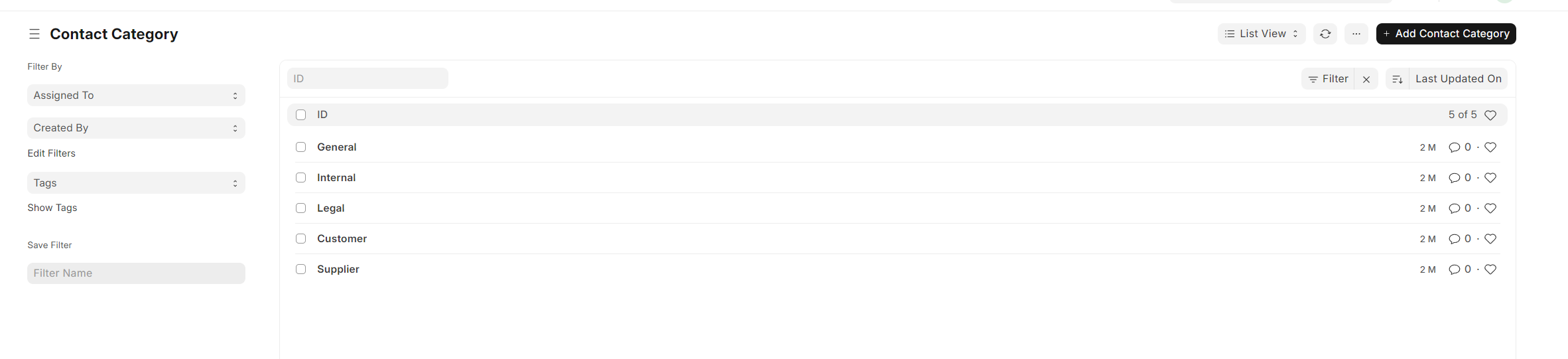
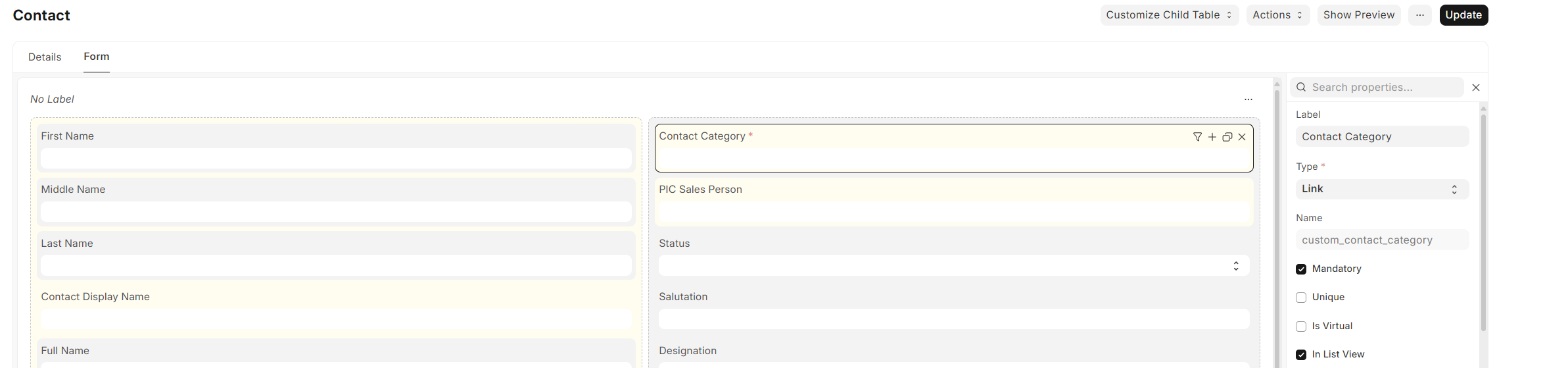
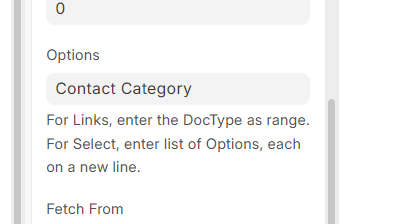
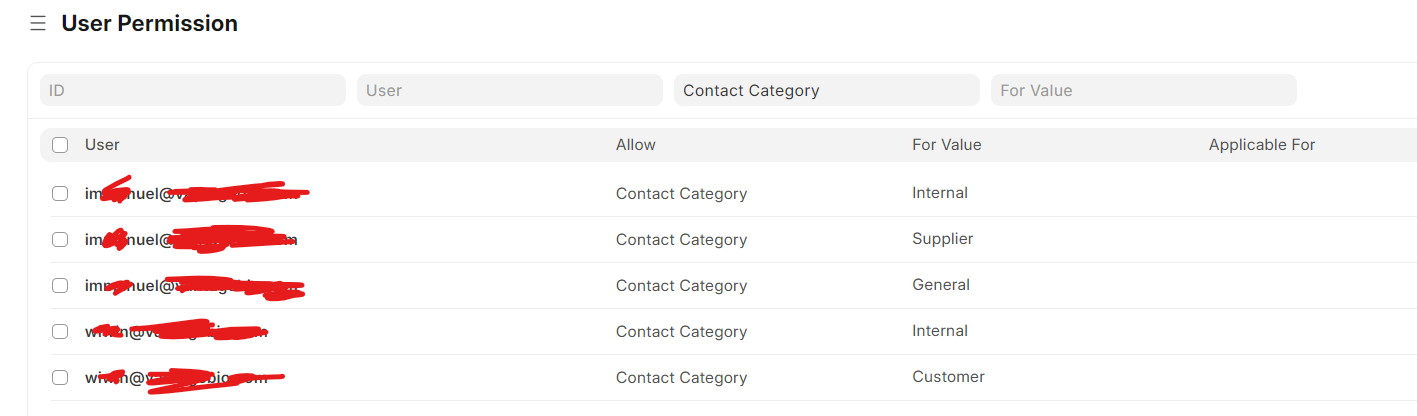
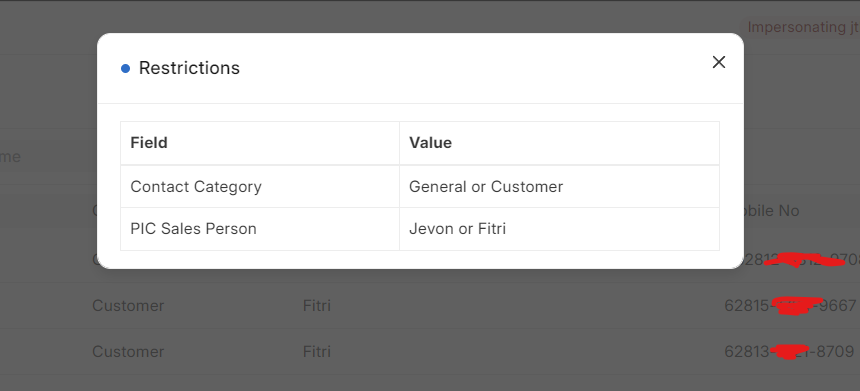
after some trying, I used the document link to applied automatically the contact category, by using this server script. I create two server script, one for Contact, one for Address, both of which is “Before Save” Event
# List of categories that should NEVER be overwritten by automation
manual_categories = ["Internal", "Regulatory", "Intercompany"]

# Only run automation if the current category is NOT manually protected
if doc.custom_contact_category not in manual_categories:

    # Initialize flags to check what links exist
    has_customer = False
    has_supplier = False

    # Loop through all links to see what this document is connected to
    for link in doc.links:
        if link.link_doctype == "Customer":
            has_customer = True
        elif link.link_doctype == "Supplier":
            has_supplier = True

    # Determine the category based on what we found
    if has_customer and has_supplier:
        category = "Customer & Supplier"
    elif has_customer:
        category = "Customer"
    elif has_supplier:
        category = "Supplier"
    else:
        category = "General"

    # Update your custom field
    doc.custom_contact_category = category
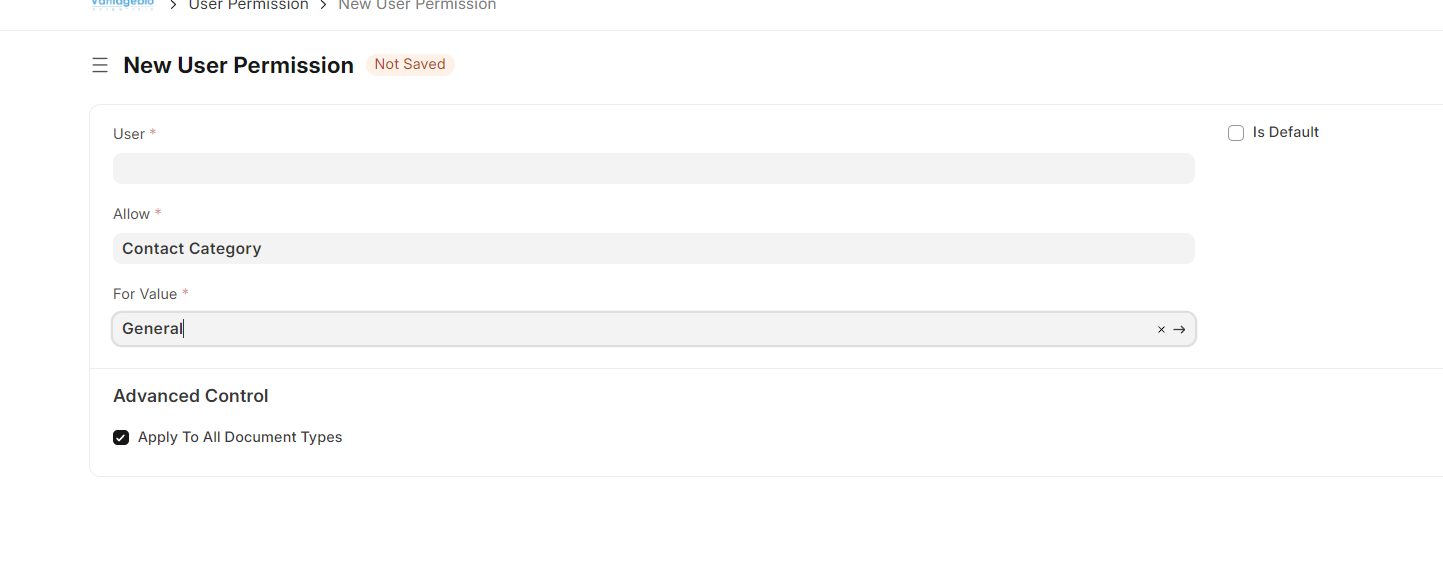
Then I create a role-based server script to apply user permission automatically with a predefine matrix that I created. server script for “User” doctype.
# 1. Define the complete Role Permissions Matrix
role_config = {
    "Sales User": {
        "Data Type": ["Selling"],
        "Contact Category": ["General", "Customer", "Internal"],
        "Item Group": ["Products"]
    },
    "Purchase User": {
        "Data Type": ["Buying"],
        "Contact Category": ["General", "Supplier", "Internal", "Intercompany"],
        "Item Group": []  # No restrictions means full global access to Item Groups
    },
    "Account User": {
        "Data Type": ["Selling", "Buying"],
        "Contact Category": ["General", "Customer", "Supplier", "Internal", "Intercompany", "Regulatory"],
        "Item Group": []  # No restrictions means full global access to Item Groups
    },
    "System Manager": {
        "Data Type": ["Selling", "Buying"],
        "Contact Category": ["General", "Customer", "Supplier", "Internal", "Intercompany", "Regulatory"],
        "Item Group": []  # No restrictions means full global access to Item Groups
    }
}

# 2. Extract a clean list of all roles assigned to this user
user_roles = [r.role for r in doc.roles]

# 3. List of all DocTypes managed by this script
all_target_doctypes = ["Data Type", "Contact Category", "Item Group"]

for target_doctype in all_target_doctypes:

    # Gather all unique allowed values based on the user's active roles
    allowed_values = []
    for role in user_roles:
        if role in role_config and target_doctype in role_config[role]:
            for value in role_config[role][target_doctype]:
                if value not in allowed_values:
                    allowed_values.append(value)

    # Fetch all existing "User Permission" records for this specific user and target DocType
    existing_permissions = frappe.get_all("User Permission",
        filters={
            "user": doc.name,
            "allow": target_doctype
        },
        fields=["name", "for_value"]
    )

    current_allowed_values = [p.for_value for p in existing_permissions]

    # 4. ADD missing permissions
    for value in allowed_values:
        if value not in current_allowed_values:
            user_perm = frappe.new_doc("User Permission")
            user_perm.user = doc.name
            user_perm.allow = target_doctype
            user_perm.for_value = value
            user_perm.apply_to_all_doctypes = 1
            user_perm.insert(ignore_permissions=True)
            frappe.msgprint(f"Granted permission for {target_doctype}: {value}")

    # 5. REMOVE revoked permissions
    for perm in existing_permissions:
        if perm.for_value not in allowed_values:
            frappe.delete_doc("User Permission", perm.name, ignore_permissions=True)
            frappe.msgprint(f"Revoked permission for {target_doctype}: {perm.for_value}")
The result is if you assign a user as Sales User then they will immediately created User Permission based on the matrix.